With a rising variety of synthetic intelligence instruments coming onto the market and generative AI functions getting higher at producing constant visuals and themed materials, it’s price a reminder that creators and types can’t legally personal the rights to an AI-generated character or work.
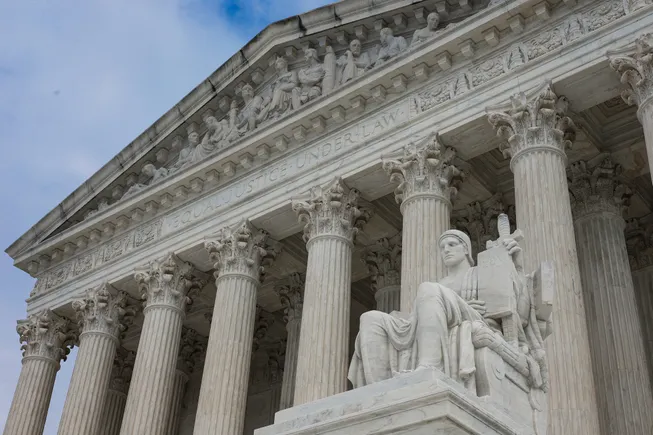
On Monday, the U.S. Supreme Courtroom reiterated this by declining to listen to a case during which a pc scientist from Missouri sought to realize copyright safety for a bit of visible artwork made by his AI system.
As reported by Reuters, Stephen Thaler launched a Supreme Courtroom attraction after decrease courts upheld a U.S. Copyright Workplace determination stating that AI-crafted visible artwork generated by his system was ineligible for copyright safety.
The principle subject at hand is that AI-generated content material doesn’t have a human creator. Present legal guidelines relate to a human originator of such content material and the safety of human entities in copyright circumstances.
Thaler has been pursuing copyright safety for his AI-generated work since 2018, however has been unable to realize traction in altering the legislation or pushing for a reinterpretation of present copyright statutes by pointing to technological developments.
The U.S. Copyright Workplace, together with different copyright regulators all over the world, has repeatedly rejected functions for copyright protections on AI artwork, in keeping with The Verge, because of the requirement that there be a human creator of any works that may be legally protected on this method.
In keeping with the Copyright Workplace, generative AI outputs are copyrightable partially, corresponding to when AI is used as a device, and “the place a human has been in a position to decide the expressive parts they include.” However prompts alone, at this stage at the least, are unlikely to fulfill these necessities.
That’s an essential be aware, as a result of whereas extra AI firms promote their merchandise as useful instruments for brand-building and advertising and marketing, firms that create any AI-generated type parts or characters gained’t really personal these creations, that means that they are often freely utilized by anyone else.
The identical goes for AI-generated characters in video clips. If a creator was to generate a personality that was used as a part of common posts, some other person would legally be capable of take that visible and reuse it.
Presumably, this can change in some unspecified time in the future, when AI depictions grow to be so commonplace and such a big focus that the legislation must evolve to cowl such utilization.
However proper now, it’s an excellent reminder that social media entrepreneurs can’t really personal AI-generated content material in the identical method that manufacturers can personal human-generated works.


