As a part of its continued effort to drive residents onto its government-owned messaging app, Russia has in the present day blocked entry to WhatsApp, Fb and Instagram within the nation, whereas YouTube entry has additionally been impacted, because it seeks to implement extra management over what Russians see in social and messaging apps.
The transfer is the most recent in a sequence of restrictions on foreign-owned platforms, which Russian authorities have deemed as “extremist” suppliers, with Telegram and Snapchat additionally compelled out of the Russian market.
As reported by The Monetary Occasions: “Russian authorities eliminated [WhatsApp], which had at the very least 100 million customers within the nation till lately, from the equal of a web based listing run by Roskomnadzor, the web regulator, earlier on Wednesday. That step primarily erases WhatsApp from Russia’s web, making it almost not possible to entry the service with out elaborate workarounds.”
FT additionally reported that Fb and Instagram have been additionally faraway from the listing, which signifies that they’re now solely accessible through VPNs within the nation.
(Additionally value noting that LinkedIn, X and TikTok have been already restricted in Russia earlier than these newest strikes)
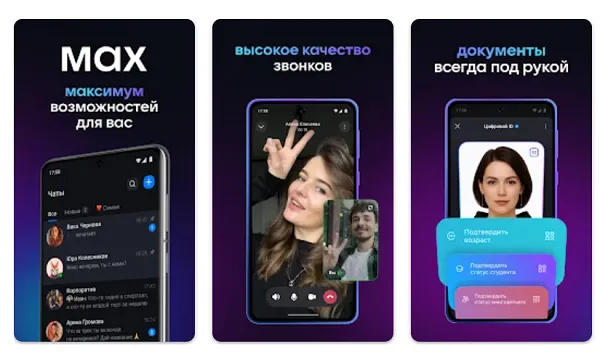
Over the previous 12 months, Russian authorities have been pushing residents to make use of the government-owned Max app as an alternative, which was developed by the Kremlin, and is being closely promoted within the area.
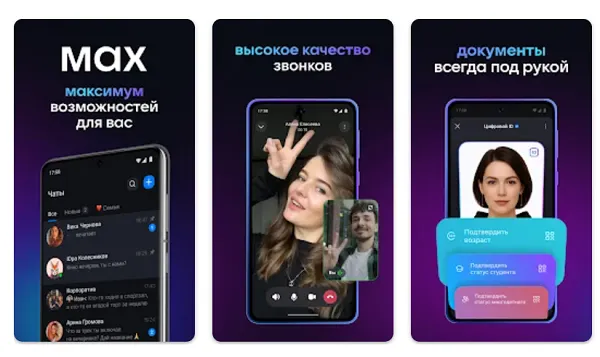
In August final 12 months, Russian authorities deemed that Max should be pre-installed on all new telephones, with these newest restrictions being the subsequent step in implementing broader utilization of its personal app.
Critics have prompt that the Kremlin could also be wanting to make use of the Max app to conduct mass surveillance, whereas additionally proscribing freedoms within the area. However with Russian authorities contending with conflicting stories coming from outdoors the nation, it’s now taking larger steps to manage native media inputs, and be certain that solely government-approved messaging reaches its residents.
It’s a major blow for Meta, which can lose entry to over 100 million customers within the area, if these bans can’t be overturned.
Although the larger casualty is entry to non-partisan reporting and perception, which can go away many Russian residents much less knowledgeable about what’s occurring outdoors their borders.
It is one other demonstration of the facility that social media now wields in our fashionable communications setting, and the importance of social apps as informational instruments.